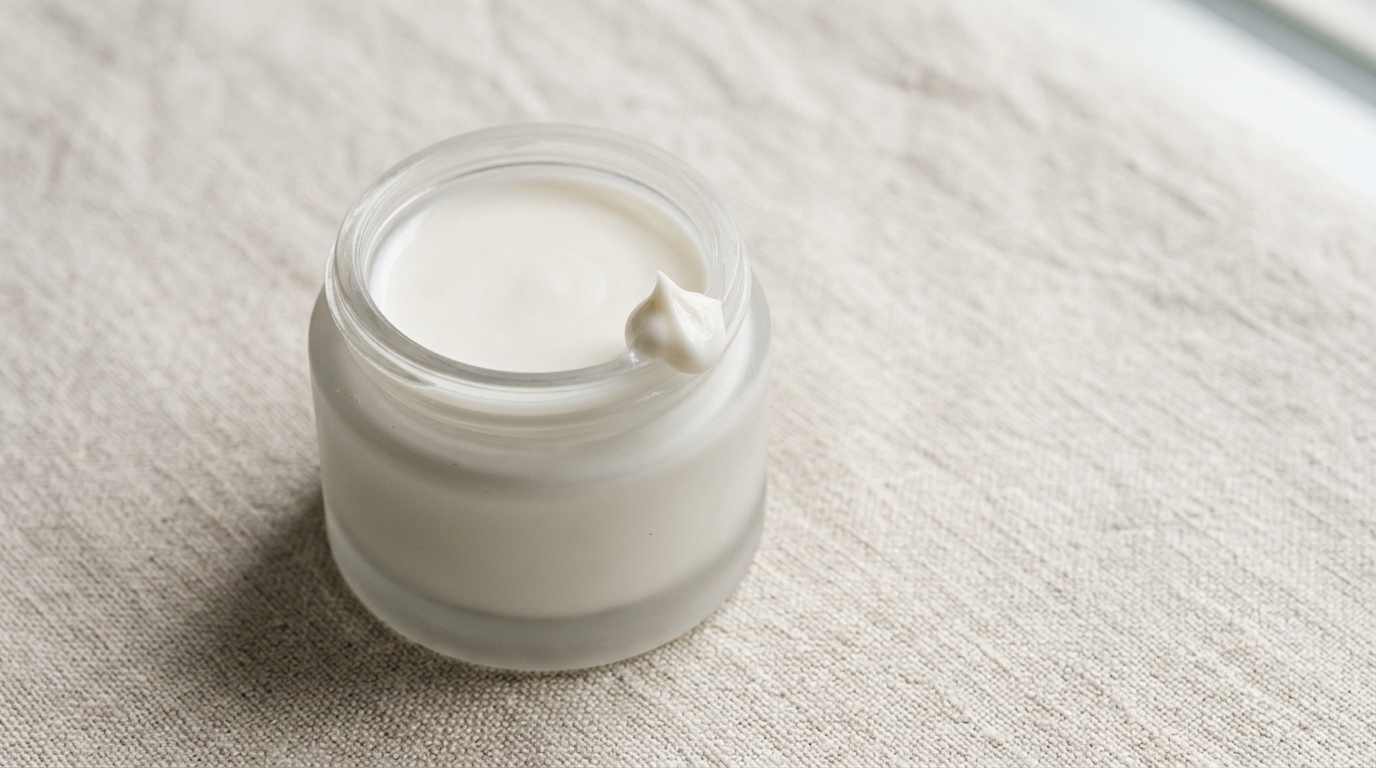

Summer feels good — warm evenings, patio dinners, evenings on the Thames. Your skin, though, is working considerably harder than you are. Heat, humidity, and UV exposure combine in ways that can disrupt even a well-established skincare routine, and Southwestern Ontario summers give you all three in generous measure.
The good news is that adjusting your approach for the season doesn't require starting over. Small, deliberate changes to your cleansing, hydration, and protection habits make a noticeable difference. And for anything that's already showing up — congestion, uneven tone, post-sun dullness — the professional facial treatments at Juvenelle Day Spa are designed to address summer skin concerns effectively and without unnecessary downtime.
What Summer Actually Does to Your Skin
It's worth understanding why summer requires a different approach before reaching for different products. The skin is an adaptive organ, but heat and humidity shift how it behaves in ways that can make your winter routine work against you.
Higher temperatures increase sebaceous gland activity — in practical terms, your skin produces more oil. At the same time, humidity reduces the natural pressure gradient that pulls moisture from deeper layers to the surface, which means your skin may feel less tight but isn't necessarily more hydrated. The result for many people is a combination skin profile that didn't exist in February: oily through the T-zone, dehydrated at the cheeks and jaw, and more prone to congestion overall.
UV exposure adds another layer. London, Ontario sits at roughly the same latitude as northern California. From May through August, UV Index readings regularly reach 7 or higher between 10 a.m. and 3 p.m. — high enough to cause cumulative damage with unprotected exposure, even on overcast days. Lake Erie's proximity brings humidity that can make protection feel heavier than it is, which is why a lot of people skip or under-apply sunscreen during summer months. It's an understandable impulse that costs the skin considerably over time.
Cleansing and Hydration: What Changes in Summer
The most common mistake in summer skincare is continuing to use the same cleanser and moisturiser that worked well through winter without reassessing whether they still suit your skin's current behaviour.
If your winter cleanser was cream-based or oil-based to offset cold-weather dryness, it may be leaving a residue in summer that contributes to congestion. A foaming or gel-based cleanser — used once in the morning and once in the evening — is usually a better fit when sebum production is higher. The key is not to overcleanse: stripping the skin's natural oils signals the sebaceous glands to compensate by producing more.
Hydration is a more nuanced topic in summer than it tends to get credit for. The instinct is to drop your moisturiser entirely when the air feels humid. In practice, a lighter texture — a gel, a serum, or a lotion rather than a cream — delivers the hydration your skin still needs without the occlusive feel of a heavier formula. Look for humectant ingredients like hyaluronic acid and glycerin, which draw water to the skin's surface rather than sitting on top of it.
- Switch from cream to gel or lotion-weight moisturiser for the summer months
- Double-cleanse in the evening if you've been wearing sunscreen and makeup together
- Consider a gentle exfoliant (once or twice per week) to prevent the congestion that warm weather and increased oil production can cause
- Use a hydrating toner or essence after cleansing — these lightweight layers hydrate without weight
If you're unsure which adjustments make sense for your specific skin type, a consultation as part of a professional facial is a practical way to get an accurate read on what your skin actually needs rather than what a label suggests.

Sun Protection: The Part Most People Get Wrong
Sunscreen is the single most evidence-backed skincare product available. The research on its role in preventing premature ageing, hyperpigmentation, and skin cancer is substantial and consistent. And yet most people apply about half the amount needed for the SPF on the label to be accurate, and many skip reapplication entirely.
A few points that are worth internalising:
- SPF 30 vs. SPF 50: SPF 30 blocks approximately 97% of UVB rays; SPF 50 blocks approximately 98%. The difference is not dramatic, but SPF 50 gives you more margin when application is imperfect — which it usually is. Either is effective when applied in sufficient quantity and reapplied regularly.
- Mineral vs. chemical filters: Mineral sunscreens (zinc oxide, titanium dioxide) sit on the skin's surface and scatter UV light; they're effective immediately upon application. Chemical filters absorb UV and convert it to heat, but require 15–20 minutes to become active. Both work well. For sensitive or reactive skin, mineral formulations tend to be less irritating.
- The reapplication problem: SPF needs to be reapplied every two hours of active sun exposure, or after swimming or sweating. If you're outside for a full afternoon on a Wonderland Road summer evening or at a weekend event, one morning application is not adequate protection.
- SPF in makeup is not a substitute: Foundation and powder with SPF contribute some protection, but not in the quantities or coverage consistency of a dedicated sunscreen product. Use them in addition to, not instead of, sunscreen.
Professional Treatments That Work Well in Summer
Summer is not the season to avoid professional treatments — it's the season to choose them thoughtfully. Some treatments that are well-suited to autumn or winter carry a higher risk of post-treatment sun sensitivity, which makes timing and aftercare more important during warmer months.
Treatments that work well in summer:
- Hydrating and brightening facials: These treatments address the dehydration and dullness that often develops mid-summer, when the combination of heat, air conditioning, and sun exposure depletes the skin's moisture levels. They're designed to restore radiance without sensitising the skin. The facial treatments at Juvenelle include options specifically suited to summer skin concerns.
- Congestion-clearing treatments: Gentle extractions and deep cleansing facials help manage the increase in blackheads and clogged pores that often accompanies warmer months. These are most effective when paired with an adjusted home care routine.
- Waxing: A consistent professional waxing schedule makes practical sense in summer, and done correctly, it won't sensitise the skin to sun if you allow 24–48 hours before significant sun exposure.
- Electrolysis: For clients managing unwanted hair more permanently, electrolysis continues through summer without restriction, provided you protect the treated area from direct sun exposure during the healing period.
- Massage: Massage therapy supports lymphatic drainage and circulation, which can feel particularly beneficial in summer when heat and standing or sitting for long periods causes fluid retention in the lower legs and feet.
If you're considering trying a new treatment before a summer event or vacation, a spa package is a practical way to combine several treatments into a single visit and discuss your skin concerns with a professional before committing to individual bookings.
Common Summer Skin Mistakes Worth Avoiding
A few habits that tend to cause problems during the warmer months, mentioned here because they're common and easy to correct once you know to look for them.
- Over-exfoliating: The logic is sound — heat and oil make skin feel congested, so exfoliation seems like the answer. In practice, excessive exfoliation in summer strips the barrier and increases UV sensitivity. Once or twice per week with a gentle chemical exfoliant is usually sufficient.
- Skipping moisturiser in humid weather: Dehydration and oiliness can coexist. A lightweight hydrating layer helps maintain barrier function even when the air feels thick.
- Using the same rich eye cream year-round: The skin around the eyes is thinner and more sensitive to heat. A lighter eye gel or serum may feel more comfortable and work more effectively in summer than a heavy cream formula.
- Treating post-sun redness at home with heavy product: If you've had significant sun exposure, the skin needs cooling and hydration — not heavy serums or actives. A simple, fragrance-free moisturiser and time are usually the best initial response. If irritation persists, a professional assessment is worthwhile.
Summer Is the Right Time to Take Your Skin Seriously
A lot of the skin concerns that appear in autumn — uneven tone, congestion, loss of radiance — develop slowly through the summer months and become visible once the season changes. The work you put in now, with consistent protection, adjusted products, and professional care when it's needed, determines what your skin looks like in September.
If you'd like guidance specific to your skin type and current concerns, the team at Juvenelle Day Spa in London, Ontario is available for consultations. We take a practical, evidence-informed approach to skincare — no pressure, no one-size-fits-all recommendations. Browse our full range of services and professional products online, or reach out directly to book a visit that suits your schedule.
Book Your Summer Skin Consultation
Whether you're managing sun-related concerns, looking to refresh your routine, or simply overdue for a professional facial, we're here to help. Juvenelle Day Spa is located in London, Ontario and available for bookings throughout the summer season.