
"Permanent" is a slightly misleading word for what microblading and cosmetic tattoo services actually do. Most of these treatments soften and fade over one to three years, which is part of what makes them approachable rather than a lifetime commitment made in a single afternoon.
At Juvenelle Day Spa, our permanent makeup services come up most often from clients tired of redrawing the same eyebrow shape every morning, or filling in a lip line that used to be crisper. This guide covers what's actually involved, what it feels like, who should think twice, and how to plan your first appointment with realistic expectations.
What Microblading Actually Is
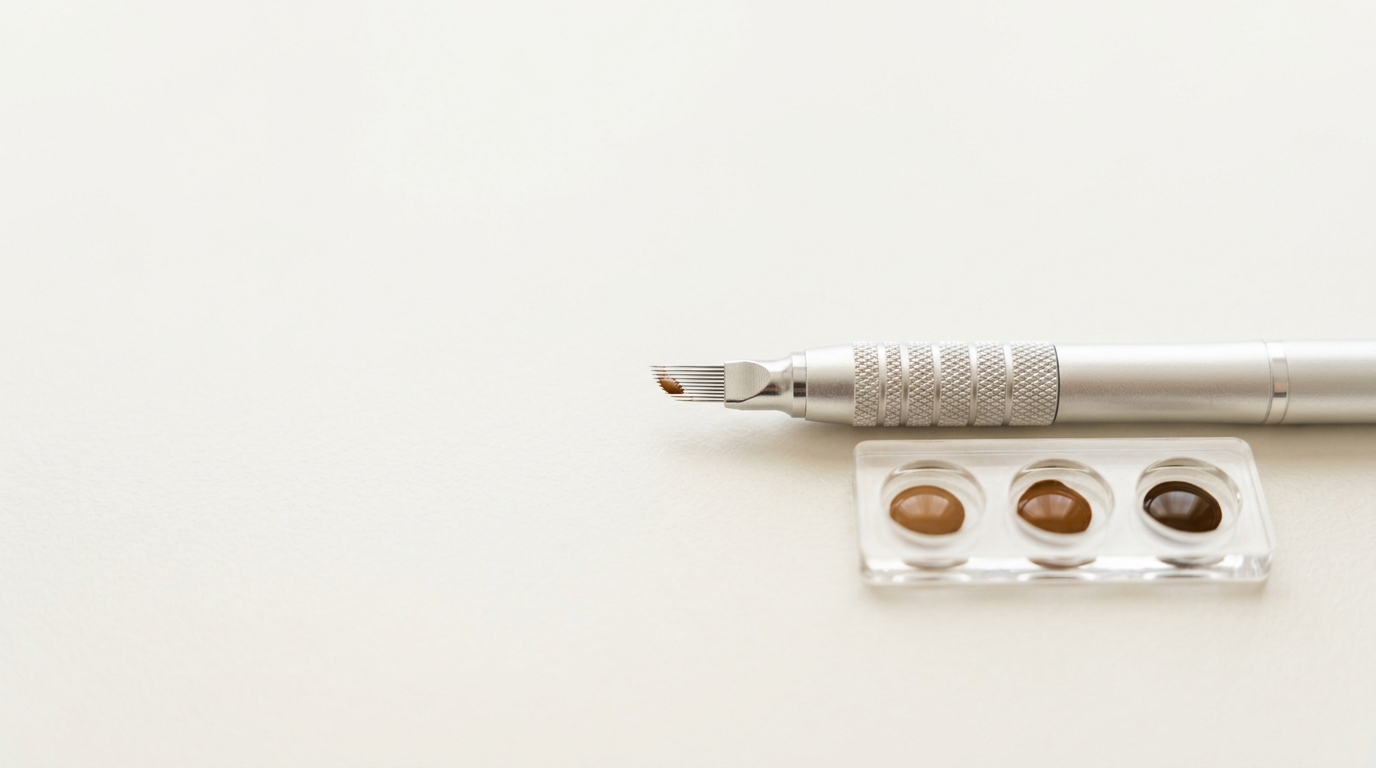
Microblading uses a hand tool with fine needles to deposit pigment in thin, hair-like strokes just below the skin's surface, mimicking natural brow hairs rather than filling the brow in as one solid shape. It's different from a solid powder-brow tattoo, which uses a shading technique to create a softer, makeup-like finish instead of individual strokes.
- Best for: clients with naturally thin, sparse, or uneven brows who want definition without daily pencil or powder.
- Healing time: brows look darker and bolder for the first week, then soften considerably as they heal over 4-6 weeks.
- Touch-up schedule: a follow-up appointment 6-8 weeks after the initial session fills in any spots where pigment didn't take evenly, which is a normal and expected part of the process, not a sign anything went wrong.
Does It Hurt? What the Sensation Actually Feels Like
This is the question almost every first-time client asks, and the honest answer is: it depends on the area and your individual pain tolerance, but it's rarely described as painful in the way people expect from the word "tattoo."
- Brows: a topical numbing cream is applied before work begins, so most clients describe the sensation as light scratching or pressure rather than sharp pain.
- Lips: slightly more sensitive than brows due to the density of nerve endings, but still manageable with numbing cream, and most clients say it's less uncomfortable than they anticipated.
- Eyeliner: the area closest to the lash line is the most sensitive of the three, and numbing is reapplied as needed throughout the session.
Sensitivity varies by where you are in your menstrual cycle, how much sleep you've had, and whether you've had caffeine beforehand — all worth keeping in mind when you schedule.
Beyond Brows: Eyeliner and Lip Options
| Treatment | What It Does | Typical Healing Time |
|---|---|---|
| Lower lash line liner | A subtle line along the lower lash line for definition without smudging | 1-2 weeks |
| Upper eyeliner tattoo | A bolder, more defined line for clients who want a consistent daily look | 1-2 weeks |
| Lip blush or lip liner | Soft, natural colour added to the lips, often to restore definition lost with age | 2-3 weeks, with true colour settling by week 6 |
Each of these has its own honest tradeoffs — eyeliner in particular requires precision, since the treated area is delicate and close to the eye, and lip blush can look noticeably darker for the first several days before softening into its true tone. A consultation is where your technician walks through which option, if any, fits your face shape and daily routine, and sets realistic expectations for how the colour will change as it heals.

Who Should Think Twice Before Booking
Microblading and permanent makeup aren't the right fit for everyone, and a responsible technician will screen for this before booking rather than after you've already paid a deposit.
- Pregnant or breastfeeding clients are generally asked to wait, since pigment and numbing products haven't been studied for safety in this population.
- Clients on blood thinners or with bleeding disorders may experience more bruising or uneven pigment retention.
- Active skin conditions in the treatment area — eczema, psoriasis, or active acne on the brow — should clear up before treatment, since inflamed skin doesn't hold pigment predictably.
- Very oily skin can cause microbladed strokes to blur and soften into a powdered look faster than on normal or dry skin, which is worth discussing at consultation since it may change which technique is recommended.
- Recent Botox or filler near the treatment area — most technicians recommend waiting at least two weeks after injectables before microblading or lip blush work.
What to Expect Before and After
- Day of: a numbing cream is applied before work begins, so most clients describe the sensation as mild scratching rather than pain.
- First week: keep the area dry, avoid sweating heavily, and don't pick at any flaking — this is when most healing mistakes happen, and it's also when the colour looks its most intense.
- Weeks 2-6: colour softens noticeably as the top layer of skin heals over the pigment, and the "scary dark" phase most clients worry about resolves on its own.
- Ongoing: most clients return for a colour refresh every 12-24 months as pigment fades gradually with sun exposure and natural skin turnover.
If you're already getting regular facial treatments, mention your permanent makeup schedule to your esthetician — some exfoliating treatments should be timed around healing to avoid fading pigment prematurely, particularly anything with retinol or strong acids near the brow or lip area.
Choosing the Right Technician
Results depend heavily on the skill of the person holding the tool, more so than with almost any other beauty treatment. A few questions worth asking before you book anywhere:
- What training and certification do they hold, and how long have they been practicing this specific technique?
- Can they show a portfolio of healed results, not just fresh, just-finished photos, which always look more dramatic than the settled outcome?
- What's included in the price — does it cover the touch-up session, or is that billed separately?
- What sterilization and single-use equipment protocols do they follow? This should be an easy, comfortable question for any reputable studio to answer.

Frequently Asked Questions
How long does microblading actually last?
Most clients see visible fading begin around the 12-18 month mark, with a full refresh recommended by 18-24 months. Faster fading is common for oily skin types and clients with heavy sun exposure.
Will my eyebrows look too dark right after the appointment?
Yes, and this is completely normal. Pigment appears 30-50% darker and bolder in the first week than the final healed result. Resist the urge to judge the outcome until at least four weeks post-treatment.
Can microblading be removed if I don't like it?
Saline removal and laser tattoo removal are both options, though neither is instant or guaranteed to fully clear pigment in one session. This is exactly why choosing an experienced technician and starting with a conservative shape and colour matters more than most people expect going in.
Is microblading the same as a powder brow tattoo?
No. Microblading creates individual hair-like strokes, while powder brows use a shading technique for a softer, more filled-in look, similar to brow powder makeup. Some technicians offer a "combo brow" that blends both techniques.
How soon can I wear makeup over the treated area?
Avoid makeup directly on the treated area for at least 7-10 days while it heals. Makeup elsewhere on the face is fine immediately.
The Bottom Line
Microblading and permanent makeup aren't a one-time decision so much as a routine you opt into — a few sessions every year or two in exchange for not thinking about brow pencil or lip liner every morning. For the right candidate, with the right technician, that trade is an easy one.
The clients who end up happiest with the results tend to be the ones who asked more questions before booking, not fewer — about healing, about the technician's experience, and about how the treated area will look at week one versus month three. If you're unsure whether your skin type or brow shape is a good fit, a consultation is the fastest way to find out before committing to anything.
Curious If Permanent Makeup Is Right for You?
Book a consultation at Juvenelle Day Spa to talk through your options with a trained technician.