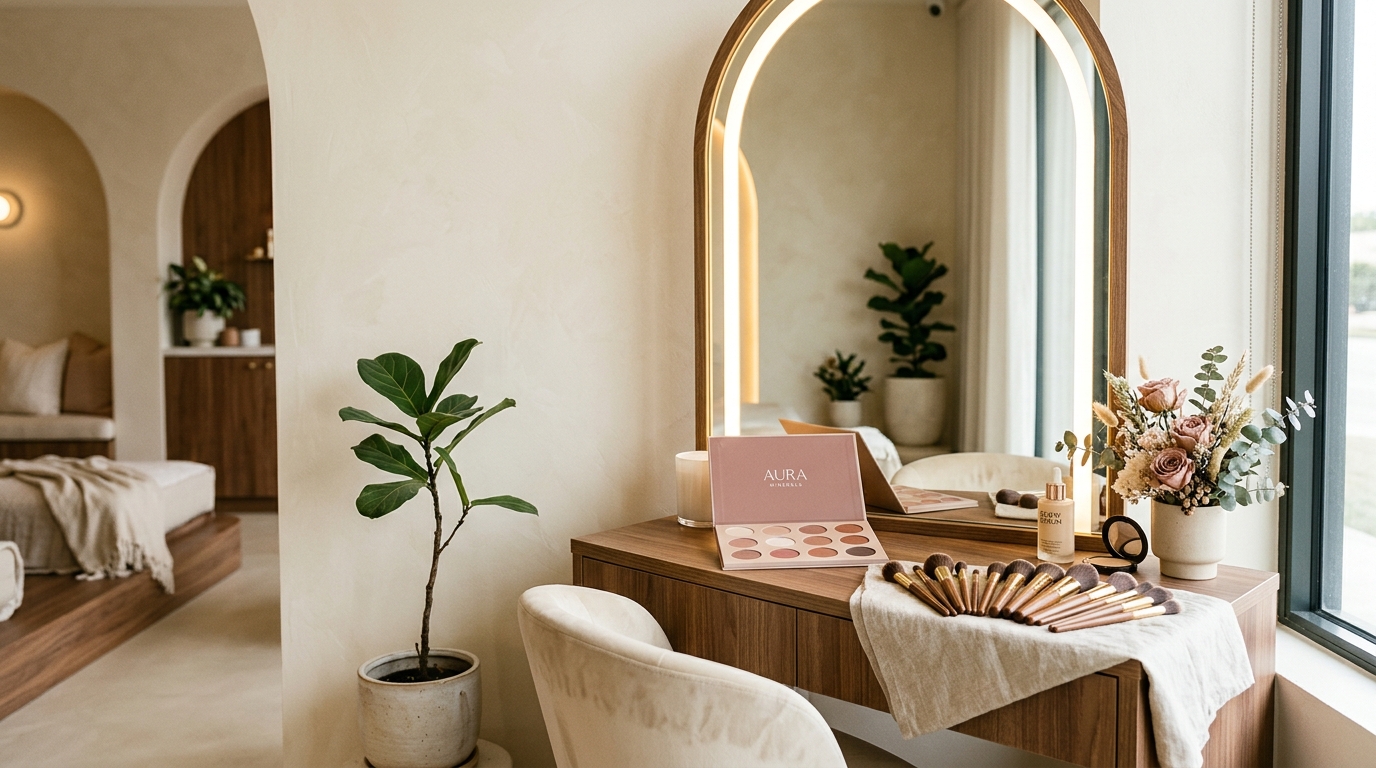
The mistake most brides and event guests make isn't picking the wrong makeup look. It's skipping the trial and finding out on the actual day that the foundation shade doesn't photograph well, or the "natural glam" they described doesn't match what they pictured in their head.
A trial session exists to solve exactly this, and at Juvenelle Day Spa it's the part of the professional makeup service clients get the most value from, even though it's often the first thing cut when people are trying to save time or budget. This guide walks through why the trial matters, what actually happens in the appointment, how to choose between application styles, and how to make sure whatever you land on survives a full day of photos, hugs, and a warm reception hall.
Why a Trial Isn't Optional
A trial is where a look gets tested against reality: your actual skin under real lighting, your dress or event colours, and enough time to notice if something feels heavier or shinier than expected once it's been on for a few hours. A ten-minute mirror check at a consultation can't tell you that. A four-hour trial can.
It's also where communication happens. "Natural" means something different to every client — for one person it's barely-there tinted moisturizer, for another it's a full face that just photographs as effortless. A trial gives you and your artist a shared reference before the day you can't redo, which matters more than most people expect until they're standing in a dress with a photographer waiting.
If you're already working through a pre-wedding skincare timeline, book your makeup trial after your final facial, once your skin's texture has settled and any redness from treatments like facial exfoliation has fully calmed. Applying foundation to skin that's still slightly reactive from a peel or extraction can give a misleading picture of how your everyday base will look on the actual day.
What Happens During the Session
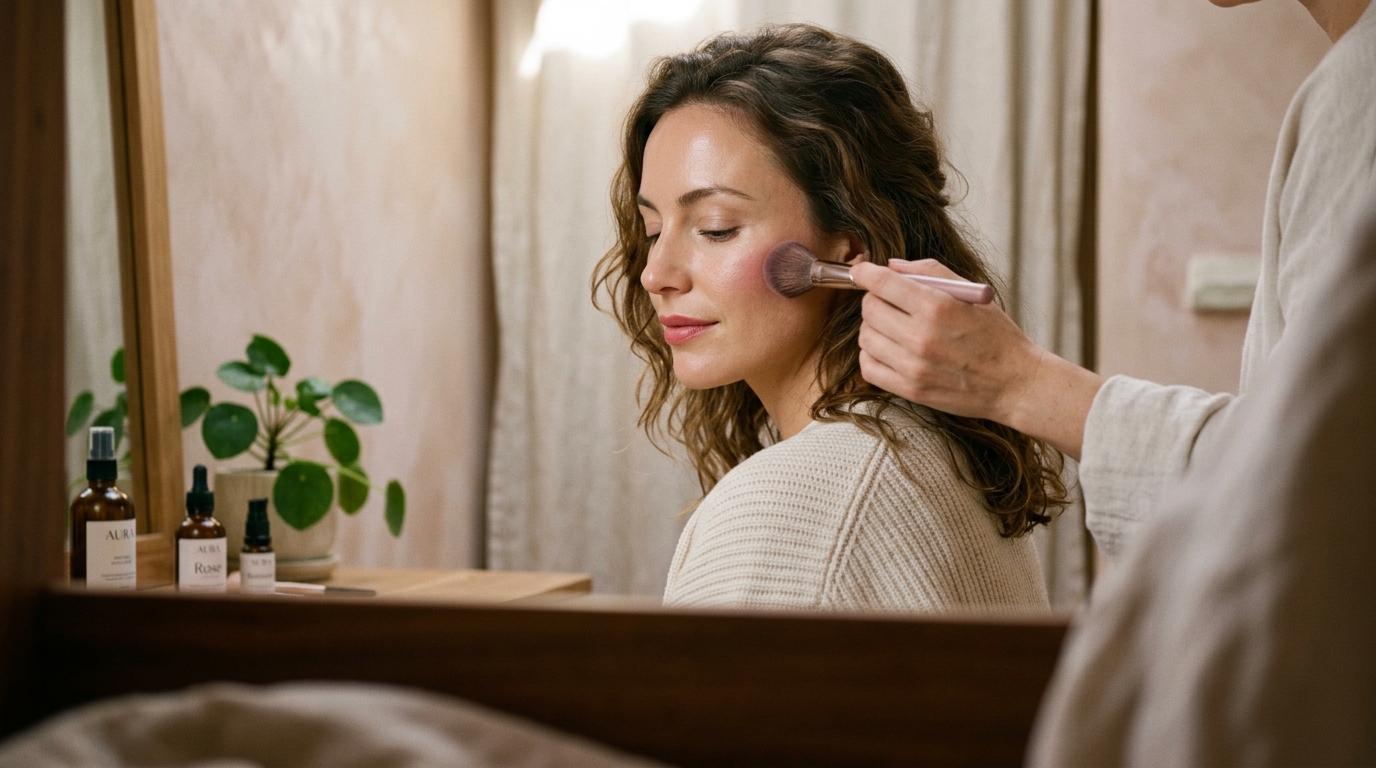
A trial at Juvenelle typically runs 60-90 minutes, longer than a standard event application, because the goal isn't just to apply makeup — it's to problem-solve your specific face, skin type, and event conditions before the day that actually counts.
- Consultation: your artist talks through the event, the dress or outfit colour, lighting (indoor, outdoor, evening), and any reference photos you've saved. Bring three or four images rather than one — a single photo can be misleading if the lighting or the model's features differ from yours.
- Skin prep and match: foundation and concealer are colour-matched in daylight when possible, since indoor lighting, especially warm incandescent bulbs, can make a shade look right in the moment and wrong in photos.
- Full application: the complete look is applied as it would be on the day, not a shortened or simplified version. This includes brows, lashes, and lips, not just base and eyes.
- Wear-test before you leave: plan to run an errand or sit through a meal before washing it off. Seeing how a look holds up after two or three hours tells you far more than checking it fresh in the chair.
- Photos: take a few phone photos with and without flash before you leave — camera flash reveals things the mirror doesn't, particularly with powder products that can look slightly ashy or too matte under direct light.
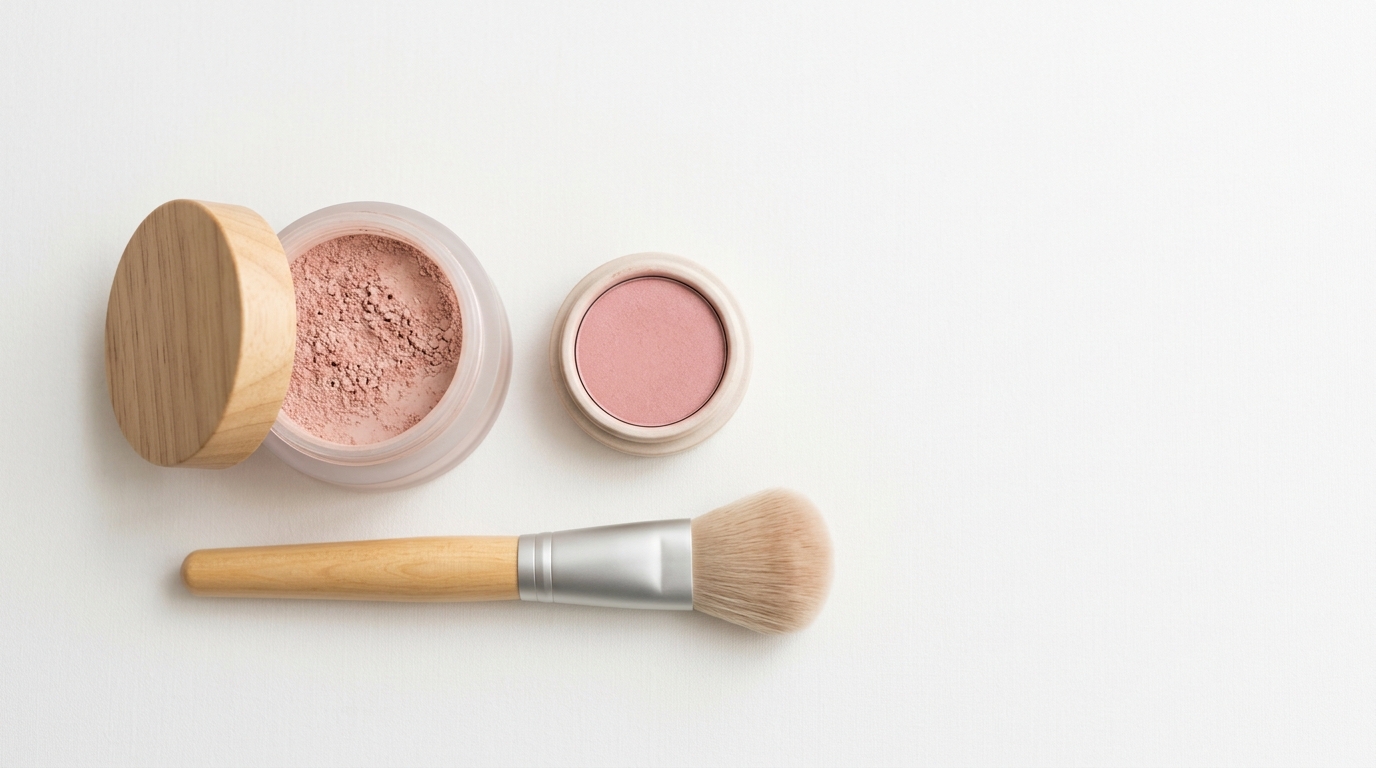
Juvenelle uses Jane Iredale mineral makeup for most applications, which tends to hold up well under event lighting and doesn't settle into fine lines the way heavier, silicone-based formulas can over a long day. Mineral bases also tend to be gentler on skin that's already been through a few months of pre-event facials and treatments.
Traditional vs. Airbrush Application: Which Fits Your Event
One of the first decisions to settle at your trial is the application method itself. Neither is universally "better" — they suit different skin types, event conditions, and photography styles.
| Traditional (Brush/Sponge) | Airbrush | |
|---|---|---|
| Coverage | Buildable, easy to adjust in the moment | Lightweight, even, harder to adjust once applied |
| Best for | Combination or textured skin, dramatic looks | Normal to dry skin, close-up photography |
| Longevity outdoors | Very good with the right setting products | Excellent in heat and humidity |
| Feel on skin | Slightly more product on the skin | Feels close to bare skin |
Clients with active acne, textured skin, or scarring they want to soften often do better with traditional application, since brushes and sponges allow an artist to build coverage exactly where it's needed. Clients prioritizing a dewy, close-up-camera-ready finish for outdoor or humid conditions often prefer airbrush. Your trial is the appointment to test both if you're unsure — ask your artist to try a small airbrush section alongside traditional application so you can compare directly.
Choosing Between a Natural, Glam, or Editorial Look
Beyond the application method, the style of the look itself needs a decision, and this is where a lot of clients feel stuck without a reference point.
- Natural: skin-focused, soft brown or rose eye tones, minimal contour, a "your face but rested" effect. Photographs well in daylight and outdoor venues.
- Glam: more defined contour, a stronger lip or eye moment, false lashes for added definition. Holds up well under evening lighting and flash photography.
- Editorial: a more dramatic or trend-forward look — bold liner, a statement lip, or a specific colour story tied to the event's palette. Best suited to clients comfortable standing out in photos.
Most brides land somewhere between natural and glam, and the trial is exactly where that balance gets found — a touch more definition here, a touch less contour there. Bring your veil or headpiece to the trial if you have one, since hairline styling changes how much face-framing definition a look needs.
Making It Last the Whole Event
| Concern | What Helps |
|---|---|
| Humidity or a warm venue | Setting spray applied in layers, not just at the end |
| Happy tears during the ceremony | Waterproof mascara and a lightly set under-eye area |
| Long hours between ceremony and last dance | Blotting sheets over powder for touch-ups, not more foundation |
| Photography with flash | Matte-finish products on the T-zone to avoid unwanted shine in photos |
| Southwestern Ontario summer humidity | Airbrush or long-wear formulas over powder-heavy bases, which can slip by evening |
Ask your artist for a small touch-up kit at your trial — most clients only need blotting sheets, a lip product, and mascara for the day itself. Hand the kit to a bridesmaid, partner, or planner rather than carrying it yourself; you won't have a bag with you for most of the day.
What to Bring to Your Trial
A little preparation makes the appointment far more productive than showing up and hoping inspiration strikes in the chair.
- 3-4 reference photos, ideally of makeup on skin tones and features similar to your own.
- A swatch or photo of your dress or outfit colour, since undertones matter more than the general colour name.
- Your veil, headpiece, or any hair accessories, if you have them, since they affect how much definition the face needs.
- Notes on skin concerns or sensitivities — redness, sensitivity to certain products, or areas you'd like softened or emphasized.
- A realistic timeline for the event day, so your artist can plan a look that's built to last exactly as long as it needs to.
Common Trial Mistakes to Avoid
A few patterns come up often enough that they're worth flagging before you book.
- Booking the trial too close to the event. Leaving no buffer means no time to book a second trial if the first one needs real adjustment.
- Trialing a look you saw on someone with very different features. A reference photo is a starting point, not a template — bone structure and skin tone change how a look reads.
- Washing the look off right after the trial. Wearing it for a few hours is the only way to know how it actually holds up.
- Skipping skincare prep before the trial. Dehydrated or flaky skin changes how foundation sits, which can lead to unnecessary product changes that wouldn't be needed with better-prepped skin.
- Not accounting for the venue's lighting. A look tested only in daylight can read very differently under a reception hall's warm, dim lighting.
Beyond the Wedding: Event and Everyday Makeup
Trials aren't only for weddings. Graduations, milestone birthdays, formal work events, and photography sessions all benefit from the same logic — testing a look before the day it matters, rather than hoping it translates from a mirror at home to a room full of people and cameras.
For teens attending a first formal event, Juvenelle also offers age-appropriate applications using the same gentle mineral products, which parents often appreciate as a lower-pressure first experience with professional makeup — soft, skin-focused, and easy to tone down if a teen decides mid-appointment that less is more.
Corporate headshots and professional photography sessions are another category where a short trial, even a scaled-down 30-minute version, helps avoid the common problem of makeup that looks fine in person but photographs heavier or shinier than intended under studio lighting.

Frequently Asked Questions
How far in advance should I book a bridal makeup trial?
Four to six weeks before the event is the sweet spot. It gives you time to book a follow-up adjustment if needed, without the appointment happening so early that your skin or preferences shift in the meantime.
Should the trial happen on the same day as a hair trial?
If your schedule allows it, yes. Seeing hair and makeup together helps you judge the full look rather than each piece in isolation, and it's a more accurate preview of the finished result.
Can I bring my own products to the trial?
You can, and it's worth mentioning any product you're attached to when you book. Most artists are happy to incorporate a client's favourite lipstick or a product they know works well with their skin.
What if I don't like the trial look?
That's exactly what the trial is for. Flag what isn't working while you're still in the chair — most adjustments, like softening a contour or changing a lip shade, take only a few minutes to test differently.
Does professional makeup work well with sensitive or acne-prone skin?
Mineral-based formulas tend to be gentler on reactive skin than heavier, long-wear formulas, which is part of why Juvenelle uses Jane Iredale products for most applications. If you have specific sensitivities, mention them at booking so your artist can patch-test a product ahead of the trial if needed.
The Bottom Line
A trial session costs an extra appointment, but it removes the single biggest risk in event makeup: finding out something doesn't work on the one day you can't fix it. For anything you're only doing once — a wedding day, a milestone event, a professional shoot — that trade is worth making.
The goal of a trial isn't to arrive with a fixed idea and leave with exactly that. It's to arrive with a starting point and leave with something tested against your actual skin, your actual event lighting, and a few real hours of wear. That's the version of "trust the process" that actually holds up on the day.
If you're planning an event and not sure whether a trial makes sense for your timeline, a quick conversation before booking will settle it.
Ready to Book Your Trial?
Book a consultation at Juvenelle Day Spa and plan your bridal or event makeup with time to get it right.