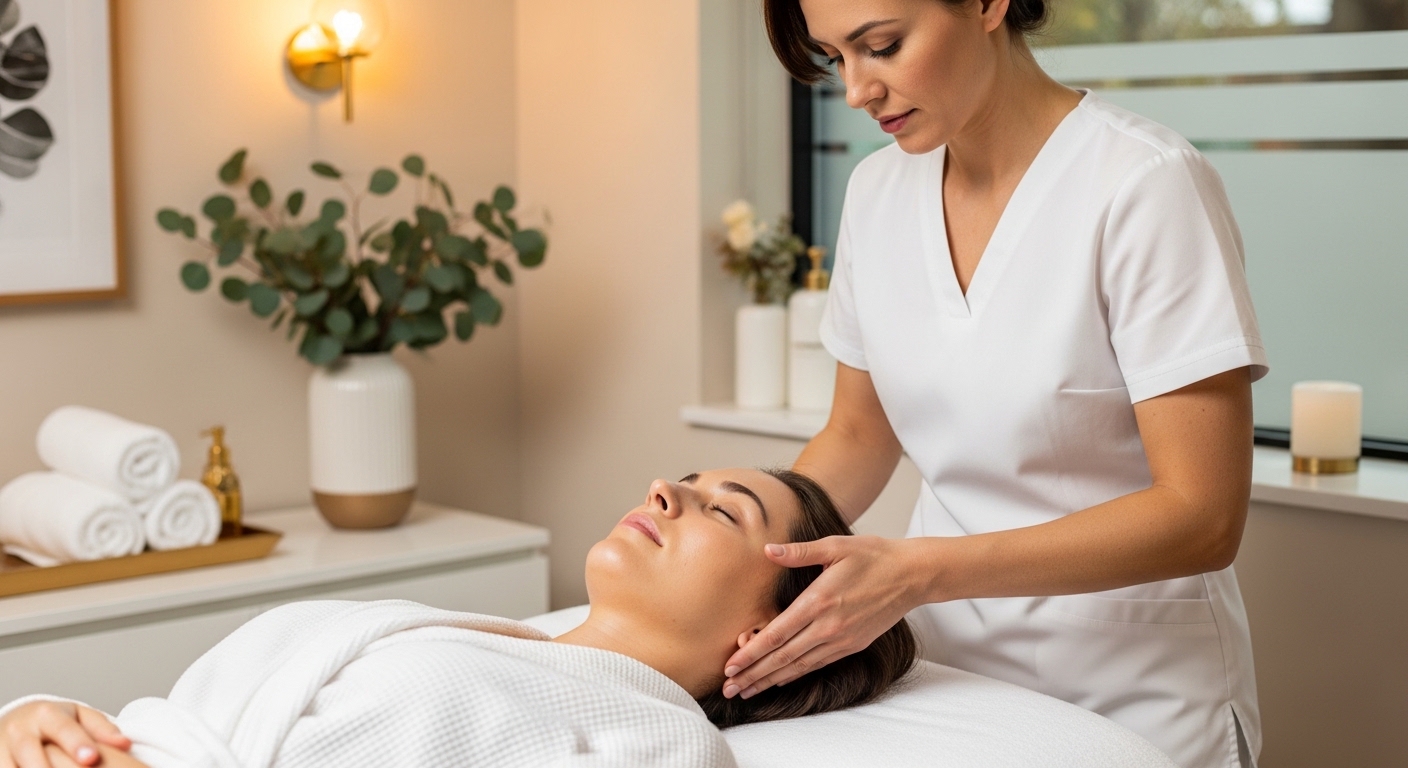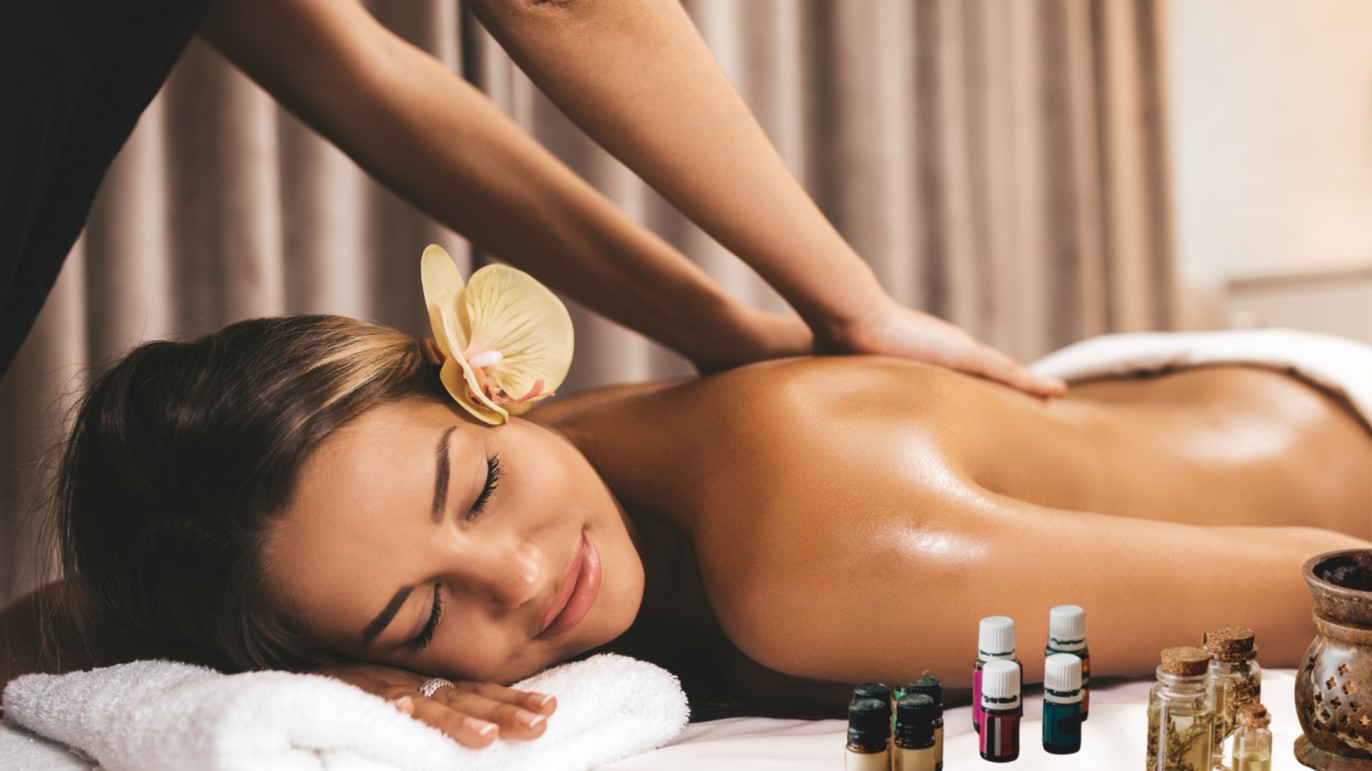
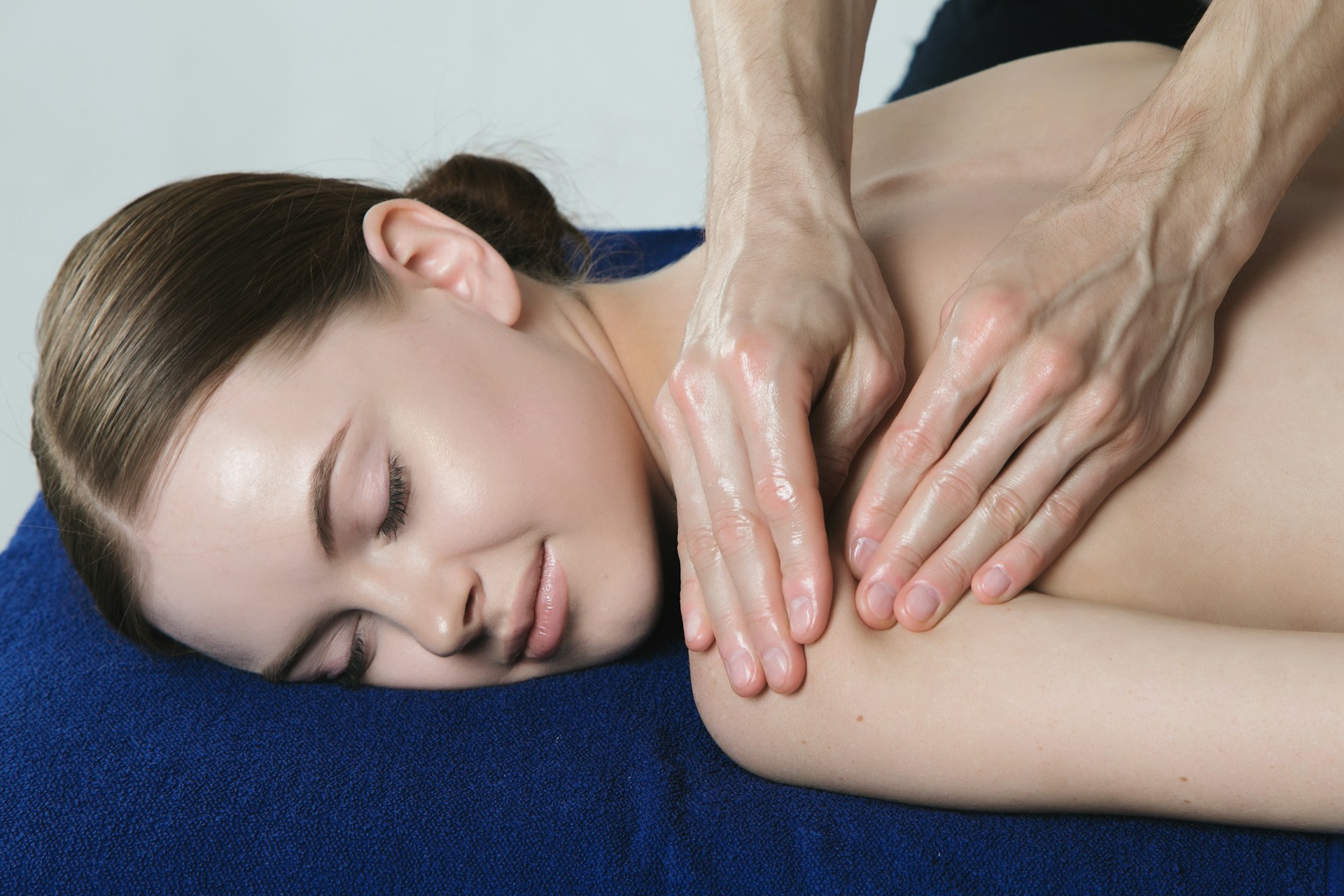
For millennia, humankind has reached out to the healing touch as one of the most fundamental forms of therapy. What was once simple human instinct—kneading a sore spot or offering a gentle caress—has evolved into refined massage techniques practiced across every continent. Whether you've experienced the smooth, rhythmic strokes of Swedish massage or the targeted pressure of Shiatsu contact points, you understand that different techniques produce radically different experiences and effects.
Perhaps you're living with ongoing back pain, hoping that deep tissue massage might provide relief. Maybe the image of warm, smooth stones in a spa setting intrigues you. Or perhaps the opportunity to balance your body's energy through ancient Eastern therapy appeals to you. Whatever draws you to massage therapy, understanding the nature of each style helps you find exactly what your body and mind require.
These popular massage methods offer varied philosophies of healing. Swedish massage forms the foundation of Western massage therapy. Deep tissue massage provides targeted therapy for chronic muscle issues. Hot stone massage combines ancient wisdom about heat therapy with soothing touch. And Shiatsu massage offers traditional Japanese healing based on energy pathway principles. Each comes with its own history, methodology, and optimal applications.
Understanding Massage Therapy
Massage therapy involves manipulating the body's soft tissues to improve circulation, reduce muscle tension, and promote overall wellness. Different techniques target various aspects of health, from relaxation to deep tissue healing. The key is understanding which type aligns with your current needs and wellness goals.
Swedish Massage - The Classic Choice
What is Swedish Massage?
Swedish massage is the most widely practiced massage therapy worldwide and serves as the foundation of Western massage techniques. Developed by 19th century Stockholm practitioner Pehr Henrik Ling, it forms the bedrock of modern massage therapy. This gentle yet effective technique uses five fundamental methods that work together to promote healing and relaxation.
Basic Techniques
- Effleurage (Long Strokes): Long, smooth, rhythmic strokes typically used at the beginning and end of massage sessions
- Petrissage (Kneading): Lifting, squeezing, and kneading motions that penetrate deep into muscle tissue
- Tapotement (Tapping): Rhythmic light tapping strokes using fingers, fists, or hands
- Friction (Rubbing): Concentrated circular or linear pressure to separate muscle fibers
- Vibration: Using vibrating movements of hands or fingers to induce relaxation
Benefits of Swedish Massage
- Decreases Muscle Tension: Releases tightness and promotes muscle flexibility
- Reduces Inflammation: Helps decrease swelling and promotes healing
- Stress and Anxiety Reduction: Promotes mental relaxation and emotional well-being
- Improved Circulation: Enhances blood flow and oxygen delivery throughout the body
- Better Sleep Quality: Can significantly improve sleep patterns and duration
- Immune System Boost: May strengthen immune function and overall health
- Pain Relief: Reduces general pain and inflammation
- General Wellness: Promotes overall physical and mental health
Best For:
- First-time massage clients seeking a gentle introduction
- Individuals dealing with everyday stress and tension
- Those with mild musculoskeletal conditions
- People seeking relaxation and restoration
- Anyone looking for a safe, versatile therapy option
Session Details
A typical Swedish massage session lasts 60-90 minutes and is performed using massage oil on a standard massage table in a warm, comfortable environment. This massage provides an excellent foundation for both physical and mental wellness, making it suitable for virtually anyone seeking therapeutic benefits.
Deep Tissue Massage - For Chronic Tension
What is Deep Tissue Massage?
Deep tissue massage is a specialized massage technique that targets the deeper layers of muscle tissue and fascia (connective tissue). Unlike Swedish massage, it employs stronger pressure and slower strokes to address chronic muscle tension, knots, and scar tissue that can cause pain and limited range of motion.
Advanced Techniques
- Slow Deep Strokes: Controlled, slow movements using strong pressure to penetrate deep muscle layers
- Cross-Fiber Friction: Pressure applied across muscle fibers to break down scar tissue and adhesions
- Trigger Point Therapy: Targeted pressure on specific knots of muscle tightness to release tension
- Stripping: Deep gliding pressure along the length of muscle fibers to separate and realign them
- Myofascial Release: Sustained pressure on fascia to improve mobility and reduce restrictions
Benefits of Deep Tissue Massage
- Chronic Pain Relief: Addresses persistent muscle pain and stiffness
- Scar Tissue Breakdown: Helps dissolve adhesions and scar tissue
- Reduced Recovery Time: Decreases healing time following injuries or procedures
- Inflammation Reduction: Helps reduce chronic inflammation
- Lower Blood Pressure: Can contribute to cardiovascular health
- Sports Rehabilitation: Aids in injury recovery and performance enhancement
- Tension Headache Relief: Helps prevent and reduce chronic headaches
- Posture Improvement: Corrects muscle imbalances affecting posture
- Stress Hormone Reduction: Lowers cortisol and other stress hormones
- Athletic Performance: Enhances flexibility and sporting abilities
Best For:
- Physically active individuals and athletes
- People with chronic pain conditions
- Those with scar tissue or muscular injuries
- Individuals experiencing postural problems
- People with persistent body tension and stress
- Those requiring therapeutic rather than relaxation massage
Who Should Avoid Deep Tissue Massage:
- Recent injury or acute inflammation cases
- People with blood clotting disorders
- Those with recent injuries (without medical clearance)
- Pregnant women (especially first trimester)
- People with open wounds or skin conditions
Session Experience
A typical deep tissue massage lasts 60-90 minutes. The therapist uses minimal oil for better grip and may employ forearms, elbows, and knuckles for greater pressure. Sessions involve slower strokes than Swedish massage, with continuous communication about pressure levels. Some mild discomfort is normal, but it shouldn't be painful. Expect 1-2 days of mild soreness afterward, and remember to stay well-hydrated. Sessions are typically scheduled every 2-4 weeks for chronic conditions.
Hot Stone Massage - Therapeutic Heat
What is Hot Stone Massage?
Hot stone massage is an ancient treatment that utilizes smooth, heated stones as an extension of the therapist's hands. The stones are typically made of basalt, a type of volcanic rock that retains heat exceptionally well. This time-honored therapy combines the benefits of heat therapy with traditional massage techniques to create deep relaxation and muscular relief.
How It Works
- Basalt stones are heated to 120-130°F (50-54°C)
- Various stone sizes are used for different body areas
- Stones are thoroughly sanitized between each client
- Temperature is carefully monitored for safety
- Cold stones may occasionally be used for contrast therapy
Application Techniques
- Stone Placement: Stones are positioned on energy points and key body areas (back, hands, feet, chakra points)
- Stone Massage: Therapist uses heated stones to glide smoothly over muscles
- Stationary Heat: Stones remain in place to provide prolonged warmth
- Gliding Strokes: Effleurage movements performed with stones
- Pressure Point Work: Using focused heat to target trigger points
Benefits of Hot Stone Massage
- Deep Muscle Relaxation: Heat penetrates deeper than hands alone
- Enhanced Circulation: Heat dilates blood vessels, improving blood flow
- Pain Relief: Reduces muscle stiffness and chronic pain
- Profound Stress Relief: Creates deep relaxation and mental calmness
- Improved Sleep: Heat therapy enhances sleep quality
- Increased Flexibility: Warmed muscles become more pliable
- Detoxification: Improved circulation aids toxin elimination
- Mental Clarity: Deep relaxation can enhance focus and mood
Best For:
- People with chronic muscle tension
- Those experiencing stress and anxiety
- Individuals with arthritis or joint stiffness
- Anyone seeking ultimate relaxation
- People with circulation issues
- Those who enjoy heat therapy
Who Should Avoid Hot Stone Massage:
- Pregnant women
- People with diabetes (due to impaired sensation)
- Those with cardiovascular conditions
- Individuals with high blood pressure
- People with skin sensitivity or burn-prone skin
- Those taking blood-thinning medications
- People with acute inflammation or recent injuries
Session Experience and Preparation
Duration: Typically 60-90 minutes
Experience: Sessions begin with stone placement on key points, followed by alternating stone massage and hand techniques. The experience is deeply soothing and often sleep-inducing.
Before Your Session: Avoid heavy meals 2 hours prior, stay well-hydrated, and inform your therapist of any medical conditions.
After Your Session: Drink plenty of water, rest and avoid strenuous activities, and consider a warm (not hot) bath if desired to maintain the relaxing effects.
Sports Massage - For Active Individuals
What is Sports Massage?
Sports massage is specifically designed for athletes and active individuals. It focuses on preventing and treating injuries, improving performance, and aiding in recovery. Techniques can vary from gentle stretching to deep tissue work, depending on the athlete's needs and training schedule.
Benefits of Sports Massage
- Injury Prevention: Identifies and addresses potential problem areas
- Performance Enhancement: Improves flexibility and range of motion
- Faster Recovery: Reduces muscle soreness and recovery time
- Better Circulation: Enhances blood flow to working muscles
- Mental Preparation: Helps athletes focus and prepare mentally
Best For:
Athletes, fitness enthusiasts, those recovering from sports injuries, and anyone with an active lifestyle.
Shiatsu Massage - Japanese Energy Healing
What is Shiatsu Massage?
Shiatsu is a traditional form of Japanese massage therapy whose name literally means "finger pressure" (shi = finger, atsu = pressure). Based on principles of Traditional Chinese Medicine, Shiatsu involves applying pressure to the body's meridian system to balance energy flow (known as "qi" or "ki") and stimulate the body's natural healing processes.
Origins and Philosophy
- Developed in Japan in the early 20th century
- Founded by Tokujiro Namikoshi
- Combines traditional Chinese medicine with Japanese healing traditions
- Recognized as a legitimate therapy in Japan since 1964
Core Philosophy
- Disease occurs from blockages or imbalances in energy flow
- Pressure application restores natural energy balance
- Treats the whole person, not just symptoms
- Focuses on prevention as well as treatment
Primary Techniques
- Finger Pressure (Shiatsu): Primary technique using fingers, thumbs, and palms
- Palm Pressure: Broader pressure application using the full palm
- Stretching: Gentle stretches to improve flexibility and energy flow
- Joint Rotation: Moving joints through their range of motion
- Kneading: Similar to Western massage but with different intentions
- Percussion: Light tapping along meridian pathways
Meridian System
Shiatsu works on 12 primary meridians: Lung, Large Intestine, Stomach, Spleen, Heart, Small Intestine, Bladder, Kidney, Pericardium, Triple Heater, Gall Bladder, and Liver. Each meridian corresponds to specific organs and emotional states.
Benefits of Shiatsu Massage
Physical Benefits:
- Reduces muscle tension and pain
- Improves circulation and lymphatic drainage
- Enhances joint mobility and flexibility
- Strengthens immune system function
- Alleviates headaches and migraines
Mental/Emotional Benefits:
- Reduces stress and anxiety
- Promotes deep relaxation
- Improves sleep quality
- Enhances mental clarity and focus
- Balances mood and emotions
What Makes Shiatsu Unique
- No oils or lotions are used
- Performed on a floor mat (futon) rather than a table
- Client remains fully clothed
- Focuses on energy points rather than just muscles
- Incorporates stretching and joint mobilization
- Uses body weight rather than muscle strength
Session Experience
- Wear loose, comfortable clothing
- Sessions conducted on a floor mat (futon)
- Therapist uses body weight for pressure application
- Rhythmic, sustained pressure on key points
- May include stretching and joint movements
- Duration: typically 60-90 minutes
Best For:
- Those seeking holistic healing approaches
- People with chronic stress or fatigue
- Individuals with digestive issues
- Those suffering from headaches or migraines
- People experiencing emotional imbalances
- Anyone interested in preventive healthcare
Prenatal Massage - For Expectant Mothers
What is Prenatal Massage?
Prenatal massage is specifically designed for pregnant women, addressing the unique needs and challenges of pregnancy. It uses special techniques and positioning to ensure safety and comfort for both mother and baby.
Benefits of Prenatal Massage
- Reduced Pregnancy Discomfort: Alleviates back pain and muscle tension
- Better Sleep: Promotes relaxation and improved sleep quality
- Reduced Swelling: Helps with fluid retention and circulation
- Stress Relief: Reduces pregnancy-related stress and anxiety
- Preparation for Labor: Can help prepare the body for childbirth
Best For:
Pregnant women in their second and third trimesters, those experiencing pregnancy discomfort, and expectant mothers seeking relaxation.
Choosing the Right Massage Type: Quick Selection Guide
Based on Your Primary Goal:
- For Beginners: Swedish Massage - gentle introduction with proven benefits
- For Chronic Pain: Deep Tissue Massage - targets deep muscle issues and tension
- For Ultimate Relaxation: Hot Stone Massage - combines heat therapy with soothing touch
- For Holistic Wellness: Shiatsu Massage - balances energy and treats the whole person
- For Athletes: Sports Massage - performance enhancement and injury prevention
- For Expectant Mothers: Prenatal Massage - safe, specialized care during pregnancy
Consider Your Goals
Think about what you want to achieve from your massage session. Are you looking for relaxation, pain relief, stress reduction, energy balancing, or athletic performance enhancement? Your primary objective should guide your choice of massage type.
Assess Your Comfort Level
Consider your tolerance for pressure and intensity. Swedish and Hot Stone massages are generally gentler, while Deep Tissue can be more intense. Shiatsu uses moderate pressure with energy work focus. It's important to communicate your preferences to your therapist.
Consider Your Health Status
Certain health conditions may make some massage types unsuitable. Always inform your therapist about any medical conditions, medications, or concerns. Some techniques have specific contraindications that must be respected for your safety.
Try Different Types
Don't be afraid to experiment with different massage types. You might discover that a technique you hadn't considered is perfect for your needs. Many people benefit from alternating between different types based on their current state and goals.
Combination Approach
Many therapists can combine elements from different massage types within a single session. Discuss your specific needs and preferences to create a customized treatment plan that addresses your unique requirements.
Preparing for Your Massage Session
Before Your Session
- Stay hydrated but avoid heavy meals
- Arrive 10-15 minutes early to complete paperwork
- Communicate any health concerns or preferences
- Remove jewelry and wear comfortable clothing
During Your Session
- Communicate about pressure and comfort level
- Focus on breathing and relaxation
- Let your mind and body fully relax
- Don't hesitate to ask questions
After Your Session
- Drink plenty of water to flush out toxins
- Take time to rest and integrate the experience
- Listen to your body's needs
- Schedule follow-up sessions as recommended
Your Comprehensive Massage Journey Awaits
Understanding the rich tapestry of massage techniques available empowers you to make informed decisions about your wellness journey. From the gentle, foundational strokes of Swedish massage to the energy-balancing principles of Shiatsu, from the therapeutic intensity of deep tissue work to the luxurious warmth of hot stone therapy, each technique offers unique pathways to healing and well-being.
The beauty of massage therapy lies not just in its physical benefits, but in its ability to address the whole person—body, mind, and spirit. Whether you're seeking relief from chronic pain, looking to enhance athletic performance, needing deep relaxation from life's stresses, or exploring holistic approaches to health maintenance, there's a massage modality perfectly suited to your needs.
At Juvenelle Day Spa, our experienced massage therapists are trained in multiple techniques and are here to guide you in choosing the right massage type. We believe in creating personalized treatment plans that address your unique needs and help you achieve your wellness objectives. Your journey to optimal health and relaxation starts with understanding your options—and now you have the knowledge to make the best choice for your body and lifestyle.
Ready to Experience the Benefits of Massage?
Book a consultation with our massage therapists to discuss your needs and find the perfect massage type for you.